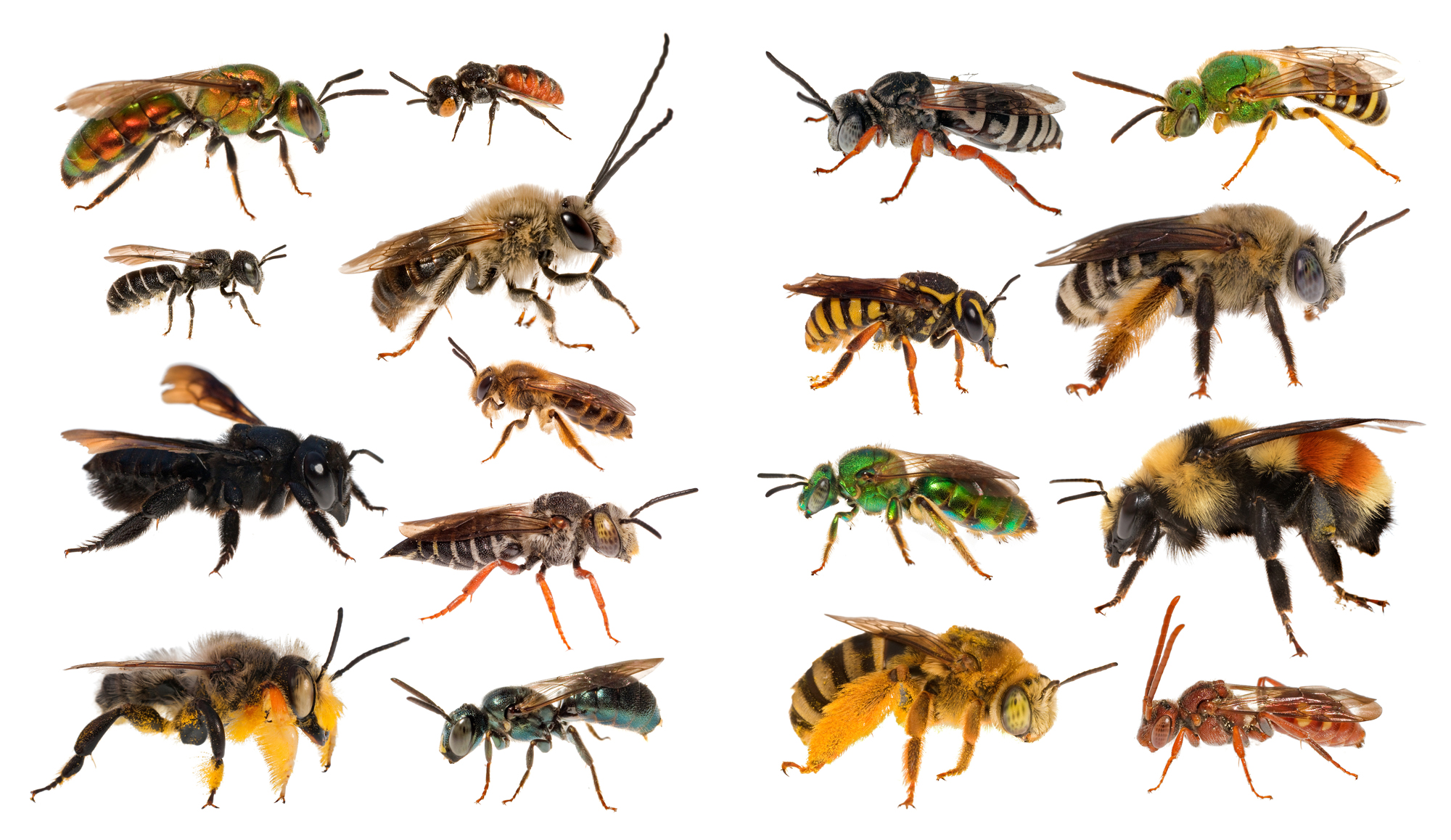
4,000 reasons to love bees
4,000 reasons to love bees

 © Clay Bolt© Clay Bolt
How can you help bees?
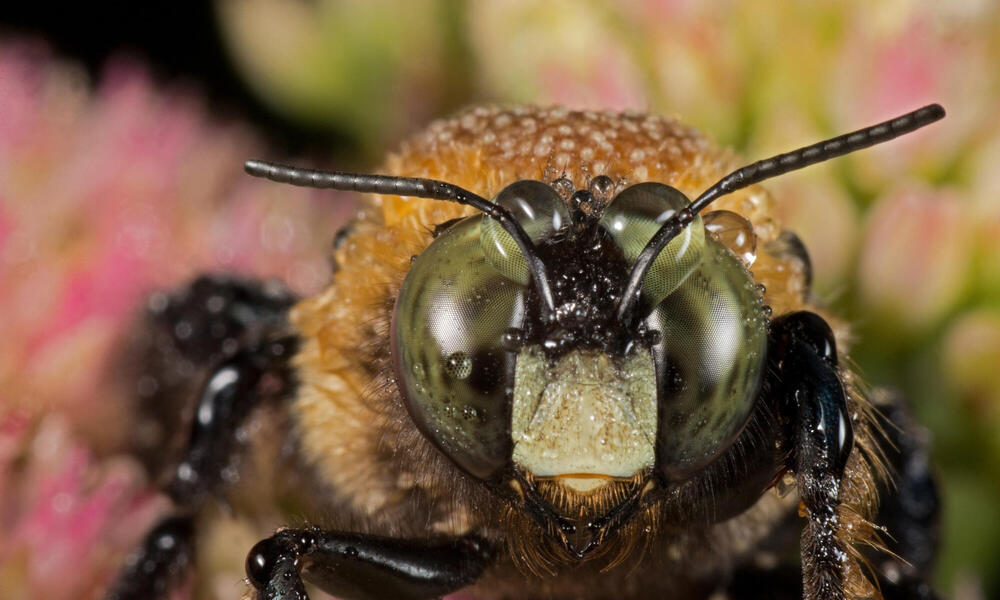
Bees need healthy, pesticide free foods throughout their lives. This is one of the greatest gifts we can offer these pollinators. Many parks and gardens grow flowers that only bloom during peak summer. However, by planting a variety of plants that flower from early spring through autumn, the number of native bees and other pollinators visiting your garden will increase exponentially. Through small acts of kindness, we can transform the lives of these remarkable creatures, while filling our hearts with profound hope and wonder as we witness their delicate yet ongoing care of our shared world.
 © Clay Bolt
How WWF is supporting pollinators
WWF is fighting to protect bees and other pollinators by addressing one of their biggest threats: neonicotinoid pesticides. Our approach champions farmers as key partners in conservation, supporting their expertise while expanding their options. Rather than one-size-fits-all solutions, our aim is to give farmers more choices and information to decide when pesticide-treated seeds are truly needed and when alternatives would better serve both their bottom line and the health of pollinators, soil, water, and more. At the same time, we're restoring previously plowed grassland habitats for pollinators on working lands across the Northern Great Plains, creating vital habitat on ranch and Tribal lands. Finally, by building a powerful coalition of government partners, universities, agricultural advisors, and community organizations, we're developing farmer-friendly solutions that protect both livelihoods and nature.
World Wildlife Fund’s new “Stories of Hope and Wonder” is an ongoing series that connects us to the wonder of nature and hope for a future benefiting both people and wildlife. Each month, Stories of Hope and Wonder will feature a different species overcoming some of nature’s toughest obstacles to ensure their survival.
대화 참여하기