This Northeastern student is buzzing about bees — and she wants you to do the same
Being surrounded by thousands of bees would be a nightmare for most people. Not Zoleigh Borg.
On a sunny day, you can find Borg, a self-described social working beekeeper and vice president of the Northeastern Bee Society, doing homework next to the hive she keeps on campus. The thousands of bees she and the Bee Society manage at Northeastern aren’t just a vital part of the university’s urban ecosystem –– they’re a part of her.
“It’s all interconnected. That’s the message. That’s the lesson,” says Borg. “Even though we’re so separate in our minds … the things the little guys are doing are still going to change my life, and the things that I am doing are going to impact them way more. There’s a responsibility that I didn’t feel, until I kept bees, for the environment, even though I’d considered myself an environmentalist my whole life.”
Growing up with two beekeeping grandparents, Borg understood the magic and value of bees from a young age, even though she was discouraged from going near her family’s hives. Instead of avoiding hives, her grandparents’ warning only made her more interested.
It wasn’t until she did a co-op at Best Bees Company, a Boston-based beekeeping service, that she got her first hands-on exposure to hive life.
Video by Cameron Sleeper and Bryce Van Laanen/Northeastern University
She still vividly remembers her first time entering a hive on the rooftop of a Whole Foods in Lynn, Massachusetts. She had been told by other beekeepers that it would be normal for her body to kick into a fight or flight response the first time she was surrounded by thousands of bees. That’s not what happened.
“I was standing in the middle of thousands of bees, and I was thinking to myself, ‘This is what … my beekeeper friend meant. I’m supposed to freak out,’” Borg says. “I felt peace.”
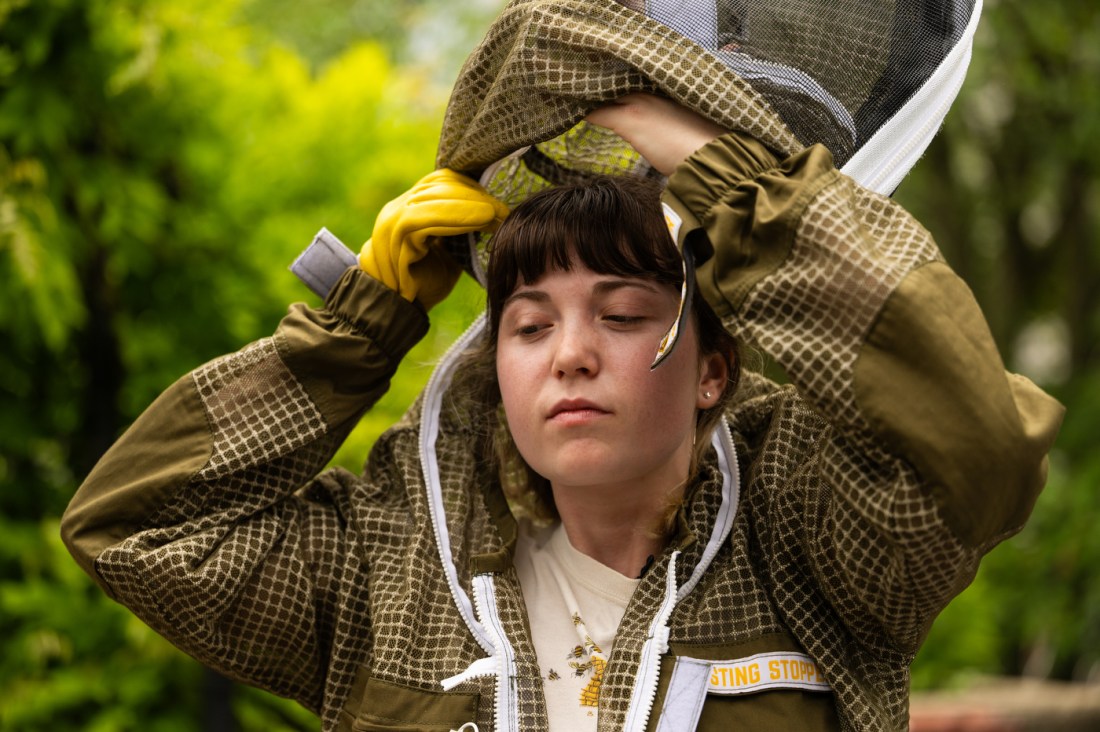 06/17/25 – BOSTON, MA. – Zoleigh Borg, vice president of the Bee society suites up before working in the beehives in Richardson Plaza on Tuesday, June 17, 2025. Photo by Alyssa Stone/Northeastern University
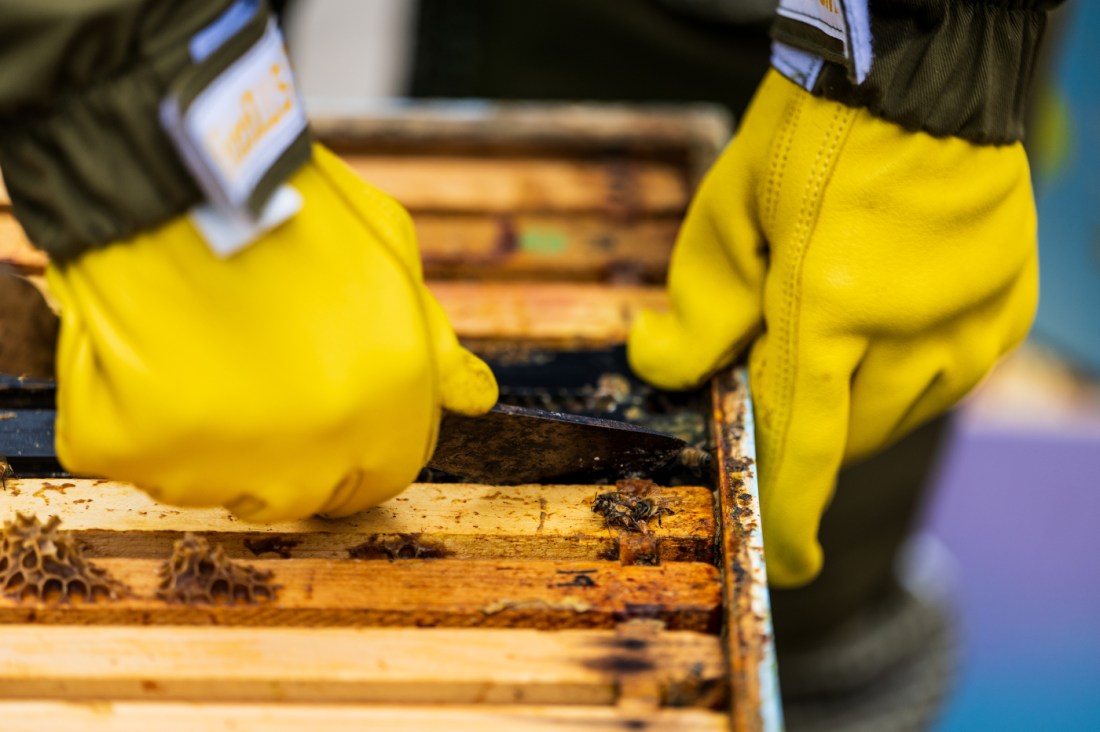 06/17/25 – BOSTON, MA. – Zoleigh Borg, vice president of the Bee society and Ian check for a queen in the beehives in Richardson Plaza on Tuesday, June 17, 2025. Photo by Alyssa Stone/Northeastern University
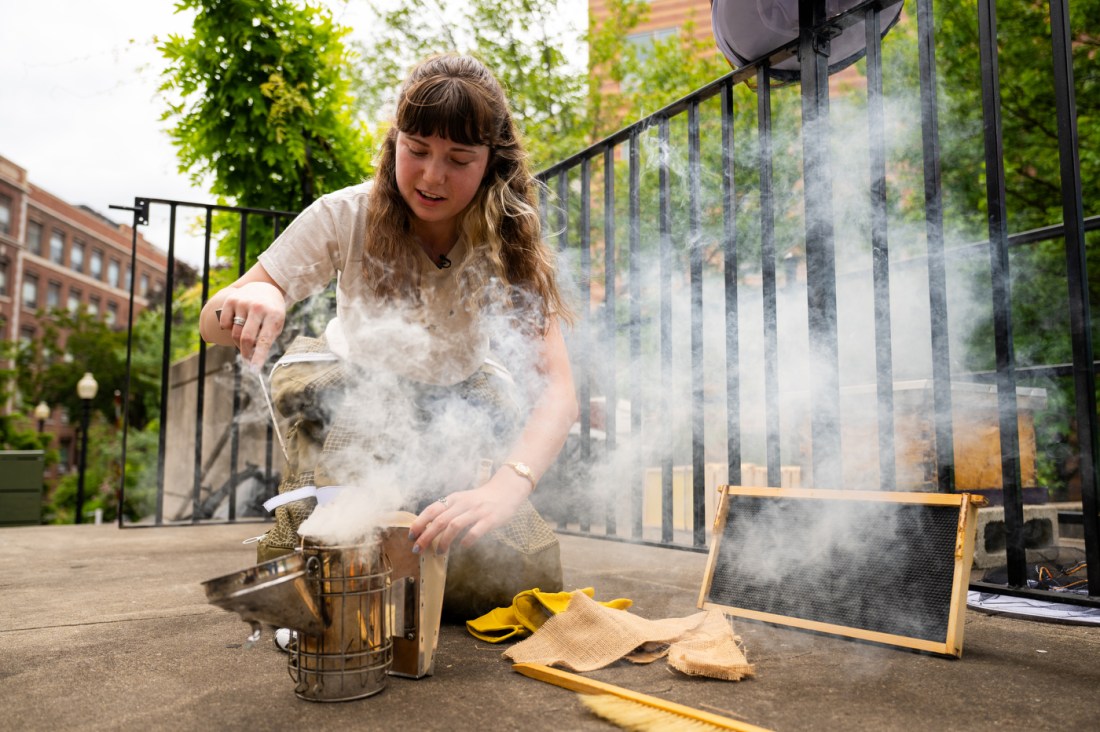 06/17/25 – BOSTON, MA. – Zoleigh Borg, vice president of the Bee society gets the smoker ready before working within the beehives in Richardson Plaza on Tuesday, June 17, 2025. Photo by Alyssa Stone/Northeastern UniversityZoleigh Borg, vice president of the Northeastern Bee Society, has managed nearly 500 hives in her time as a beekeeper, including the pair of hives owned by the Bee Society. Photos by Alyssa Stone/Northeastern University
Borg was a natural. Stepping into her full body suit and walking into a buzzing mass of bees is “just a very wraparound way of meditating,” she says.
“My favorite part about beekeeping is that you have to completely remove your ego from the situation,” Borg says. “We live in a very me, me, me-centered world, but when I keep bees the only thing I have to be aware of within myself is my anxiety level.”
The secret, Borg says, is moving slowly –– so as not to disturb the hive or kill any bees –– and regulate your breathing. Bees, like a lot of animals, are able to sense anxiety and fear by how much predators, or bumbling humans, breathe and release carbon dioxide. The more heavily a beekeeper breathes, the more agitated the bees will become.
Related: Students in Northeastern’s Bee Society helps rescue honeybee hive in Boston Public Garden
While her friends were working in air-conditioned offices during their co-ops, Borg was driving around Massachusetts in a van in 90-degree weather in a full bee suit. But she would not have had it any other way. By the time she left her co-op she had managed over 500 hives. She had caught the beekeeping bug so badly that Best Bees gave her a hive of her own to manage after her co-op was over.
Borg’s hive stands in Richardson Plaza side by side with the two hives managed by the Bee Society. Together, they provide a home for nearly 100,000 bees on Northeastern’s campus.
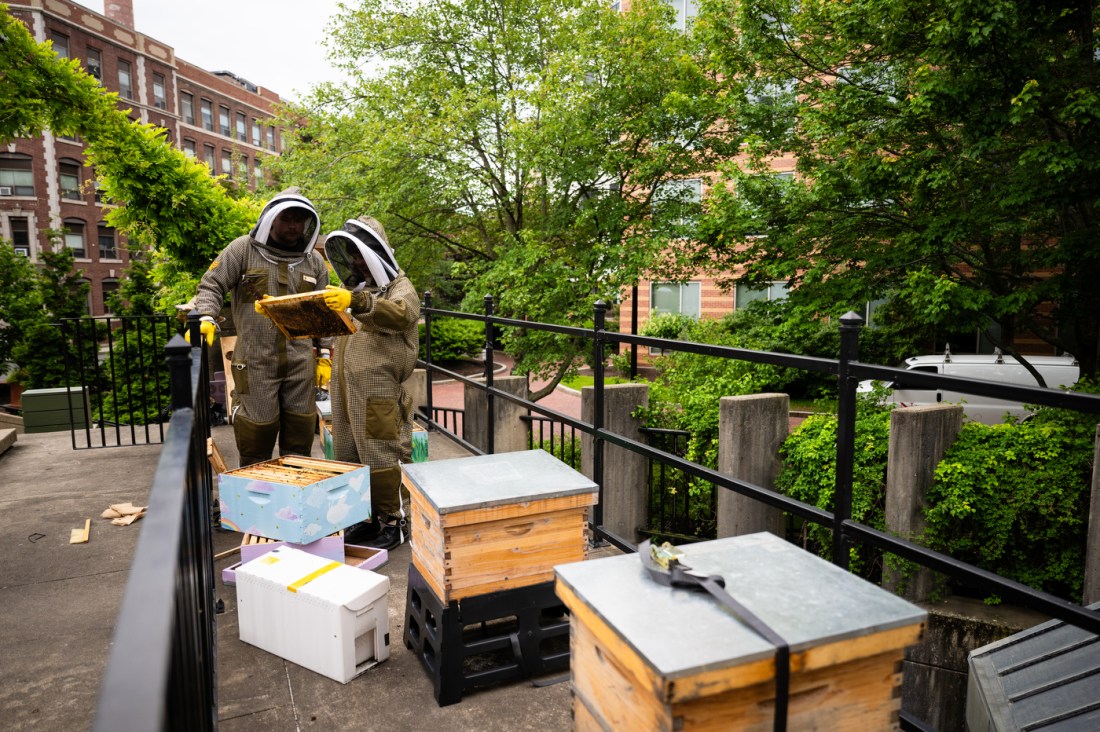 06/17/25 – BOSTON, MA. – Zoleigh Borg, vice president of the Bee society and Ian Kimpton check for a queen in the beehives in Richardson Plaza on Tuesday, June 17, 2025. Photo by Alyssa Stone/Northeastern University
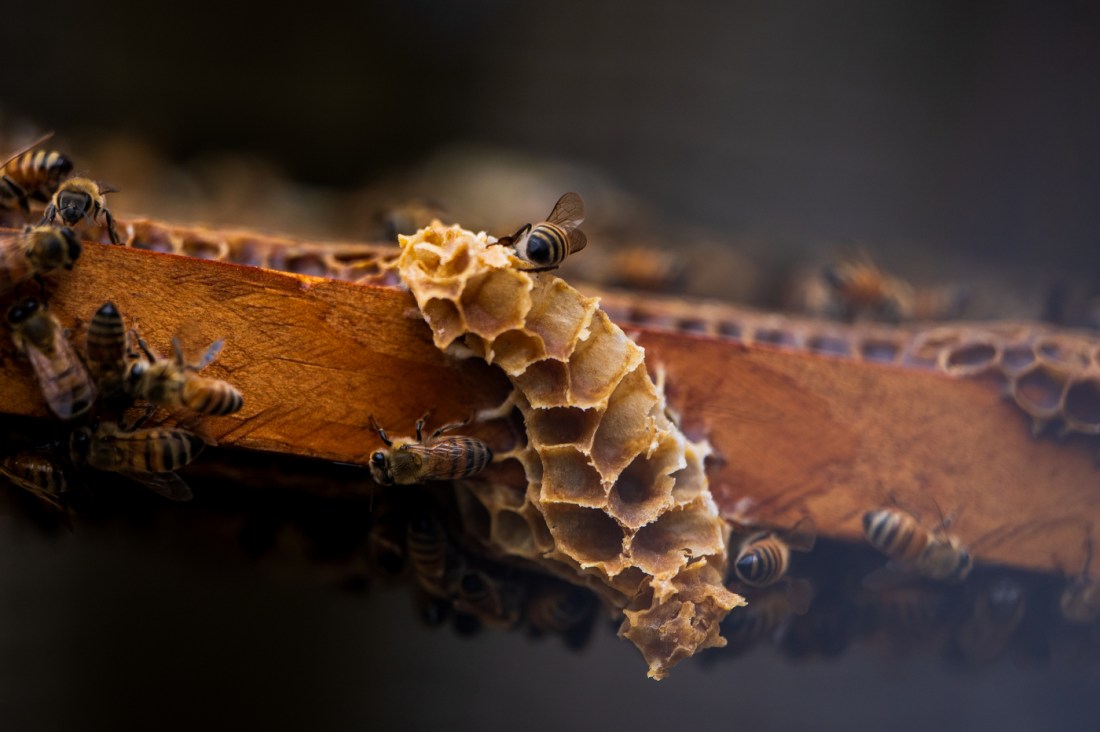 06/17/25 – BOSTON, MA. – Zoleigh Borg, vice president of the Bee society and Ian Kimpton check for a queen in the beehives in Richardson Plaza on Tuesday, June 17, 2025. Photo by Alyssa Stone/Northeastern University
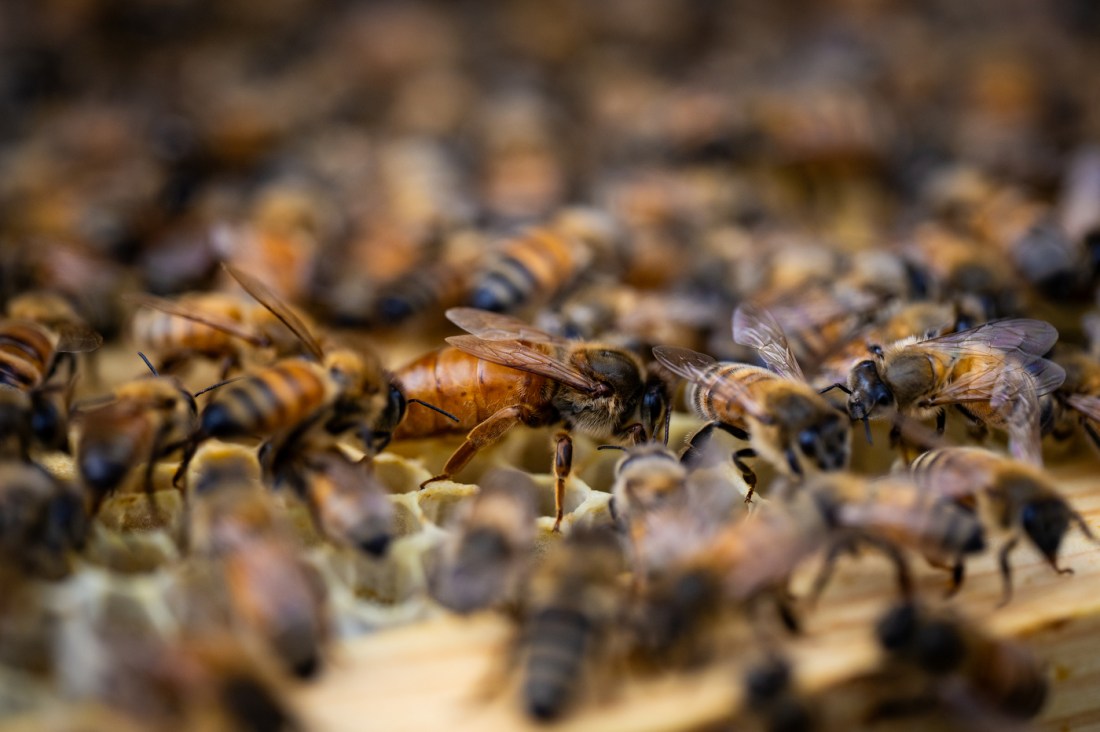 06/17/25 – BOSTON, MA. – Zoleigh Borg, vice president of the Bee society and Ian Kimpton find a queen in the beehives in Richardson Plaza on Tuesday, June 17, 2025. Photo by Alyssa Stone/Northeastern University
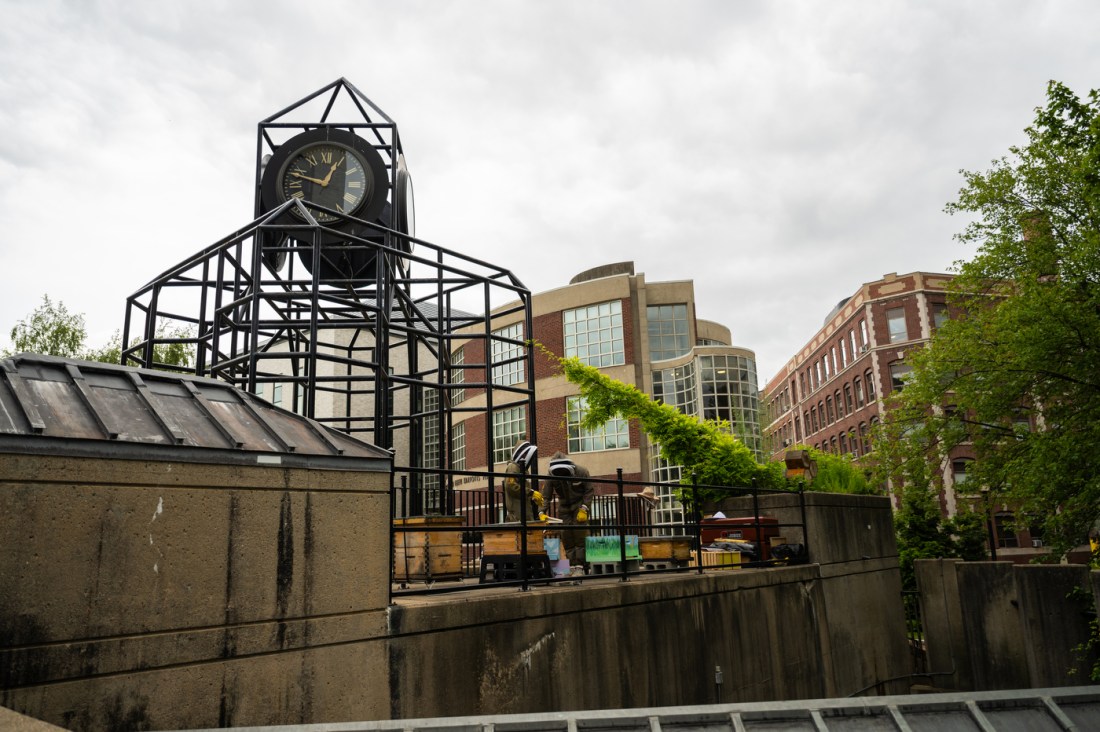 06/17/25 – BOSTON, MA. – Zoleigh Borg, vice president of the Bee society and Ian Kimpton check for a queen in the beehives in Richardson Plaza on Tuesday, June 17, 2025. Photo by Alyssa Stone/Northeastern University
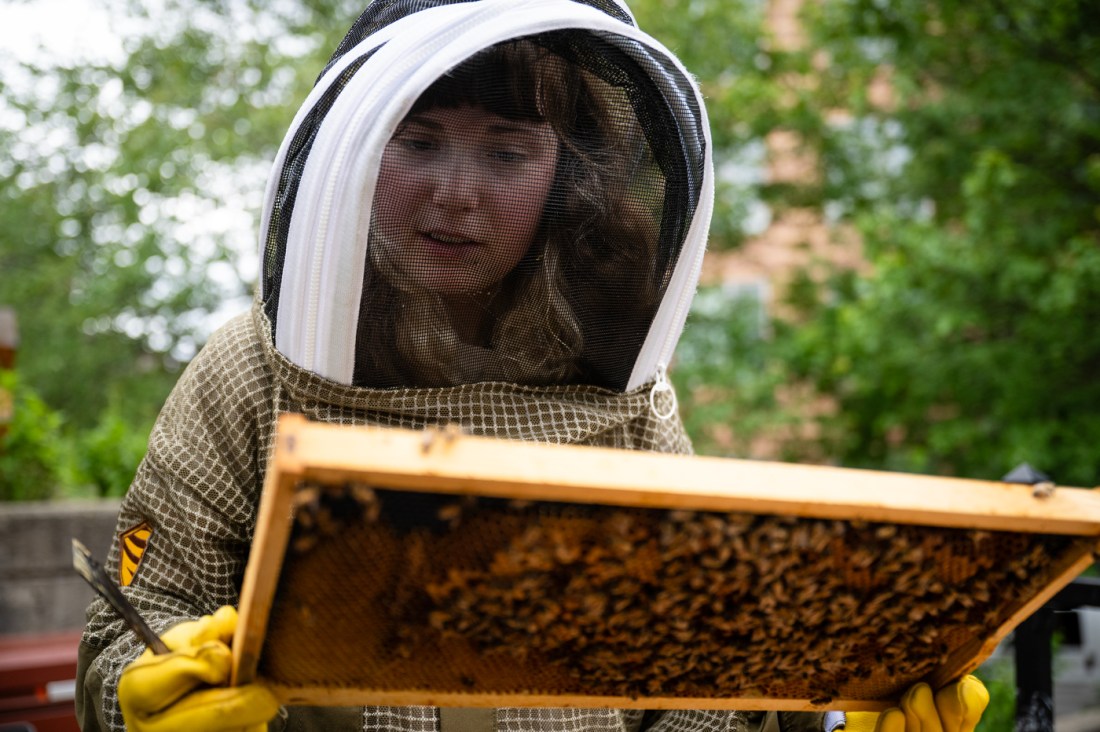 Zoleigh Borg, vice president of the Northeastern Bee society checks for a queen in the beehives in Richardson Plaza on the Boston campus. Photo by Alyssa Stone/Northeastern UniversityZoleigh Borg hopes the Northeastern Bee Society will educate and spread awareness about the role bees play in nature and the responsibility humans have in ensuring a future for these animals. Photo by Alyssa Stone/Northeastern University
Borg joined the Bee Society in 2024 and now serves as vice president with the rest of the organization’s “beeboard,” as they call themselves: founder and president Connor Martin, treasurer Jessi Wood and social chair Jesse Mount.
At a time when climate change is impacting bee populations –– and, as a result, the flowers and plants they pollinate –– beekeeping is more than just a hobby, Borg explains. By spreading pollen between plants, bees are vital to building biodiversity that makes ecosystems more resilient and robust for humans, too.
The same anxieties modern people have about host-guest relationships existed in medieval times, a new book shows
Climate change has disrupted the symbiotic relationship between bees and plants. Borg hopes programs like the Bee Society’s Northbeestern Bee School can help educate people about the vital role bees play while also making beekeeping more accessible –– and less scary –– for newcomers.
More than the thrill of holding a frame of live bees, Borg says beekeeping is a helpful reminder that the world is so much bigger than us and our problems. Interacting with a hive –– a community of bees that, through pheromones, is communicating constantly –– Borg says it’s easy to feel like she’s “a part of something so much bigger than myself.”
“When I’m keeping bees, I’m a part of that and learning how to read them to know when they get agitated, when I should take a step back, what they need, what I want from them,” Borg says. “My bees know what I smell like. I go into my hive, and they know that I’m not a harm and they let me do my thing and they tend to not get very agitated.”
“I was thinking about this: I love my bees –– do my bees love me?” Borg asks. “I don’t know, but I think they have a relationship with me and they understand me, which is more than you can ask for from an insect.”

댓글
댓글 쓰기